
Buying a Vacation Home in Retirement: Practical Advice for Getting It Right
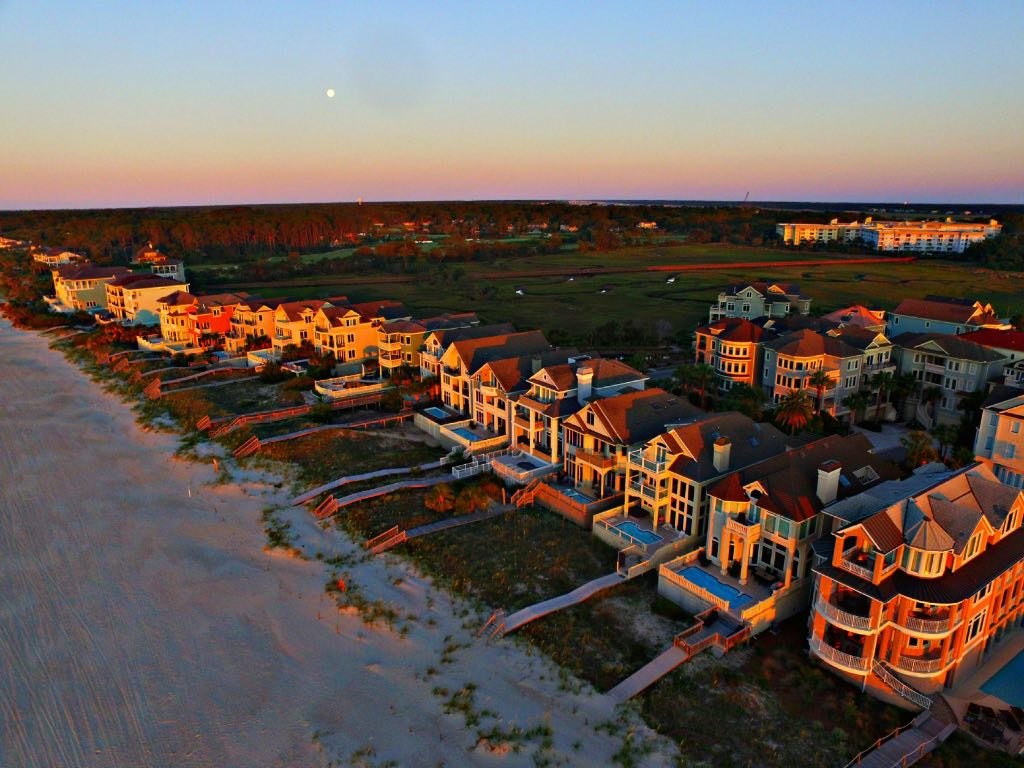
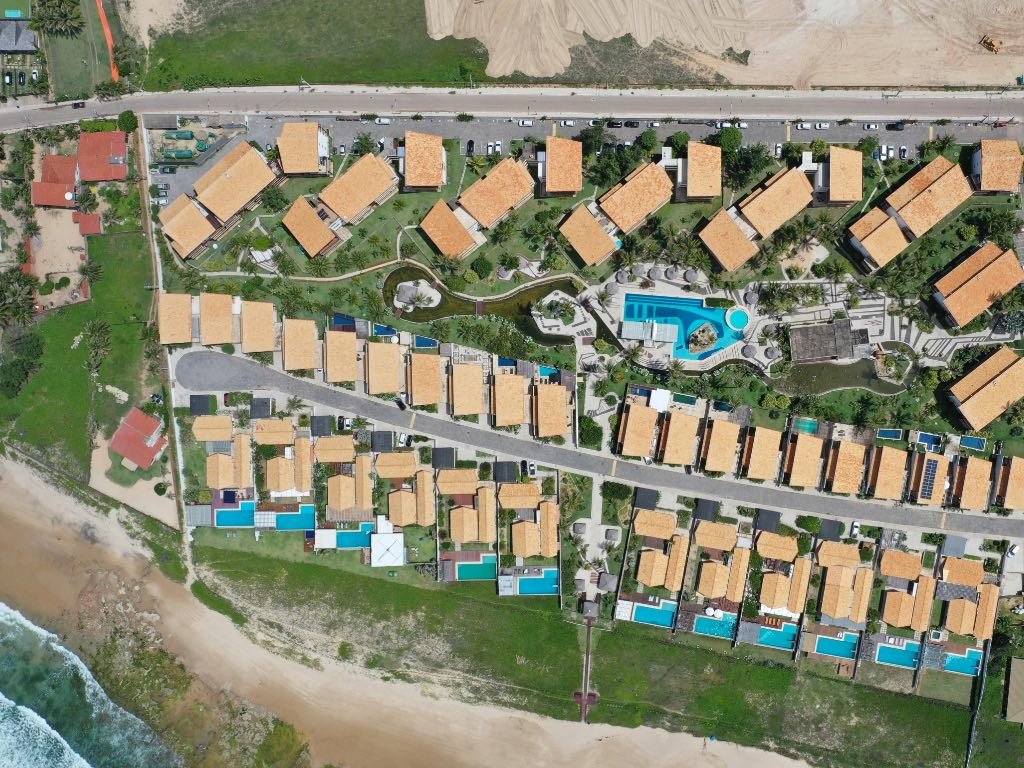
Retirees often picture a vacation home as a place to slow down, gather family, and enjoy a favorite setting year after year. For many people nearing or in retirement, buying a second home is less about prestige and more about comfort, predictability, and protecting long-term finances. The right choices early on can turn a vacation property into a joy rather than a source of stress.
A quick snapshot of what matters most
If you remember nothing else, remember this: a vacation home should fit your lifestyle today and your likely needs five to ten years from now. That means choosing a manageable location, being realistic about costs, planning for upkeep, and protecting yourself against surprises—financial and otherwise.
Choosing a Location That Still Works Later
Scenery matters, but convenience matters more than many retirees expect. A beautiful home that’s hard to reach, far from medical care, or difficult to maintain can become burdensome over time.
When evaluating locations, consider:
- Distance from your primary residence and how often you’ll realistically travel
- Access to hospitals, pharmacies, and everyday services
- Climate risks such as hurricanes, wildfires, or heavy snow
- Whether the area has year-round services or shuts down seasonally
A good rule of thumb: rent in the area for a season or two before buying. Living there as a “local” often reveals issues that short visits don’t.

Financing a Second Home After Retirement
Many retirees assume they must pay cash, but that isn’t always necessary—or wise. Mortgages for vacation homes are common, though lenders often require higher down payments and stronger credit.
Here’s a simple comparison of common financing approaches:
| Option | Pros | Cons |
| Paying cash | No monthly payment, simpler closing | Ties up capital, less liquidity |
| Traditional mortgage | Preserves savings, predictable payments | Interest costs, stricter approval |
| Home equity loan/HELOC* | Lower rates than many loans | Uses primary home as collateral |
| *HELOC (Home Equity Line Of Credit) | ||
Before choosing, think about how much liquidity you want to keep available for healthcare, travel, or unexpected expenses.
A Simple How-To: Stress-Test Your Budget
Before making an offer, run through this checklist to see if the home truly fits your retirement plan:
- Add up all fixed costs (taxes, insurance, HOA** fees, utilities).
- Estimate annual maintenance at 1–2% of the home’s value.
- Include travel costs to and from the property.
- Stress-test the budget by increasing costs 10–15%.
- Confirm the remaining budget still supports your lifestyle comfortably.
If the numbers feel tight after step five, the home may be too expensive—even if you technically “can” afford it.
**HOA (Homeowners Association)
Who Handles Maintenance When You’re Away?
Maintenance is one of the most overlooked parts of owning a vacation home. Decide early whether you’ll manage it yourself or hire help.
Many retirees opt for:
- A local property manager for routine checks
- Landscaping and cleaning services on a schedule
- Smart home monitoring for leaks, temperature, and security
These costs add up, but they often prevent far more expensive damage later.
Renting It Out: Helpful or Headache?
Renting your vacation home part-time can offset costs, but it isn’t passive income. Short-term rentals involve marketing, cleaning, local regulations, and tax reporting.
Before committing, verify:
- Local rules on short-term rentals
- Insurance requirements for rental use
- Your willingness to deal with guests and turnover
Some retirees decide peace of mind is worth more than rental income—and that’s a valid choice.
A Smart Way to Reduce Surprise Repair Costs
Even newer homes can suffer appliance failures or system breakdowns, especially when they sit vacant. Many retirees choose to invest in a home warranty to reduce the financial shock of unexpected repairs. With coverage in place, you’re not scrambling to find contractors or pay large out-of-pocket costs if something fails.
If you’re comparing options, you can look into this one, which focuses on appliance coverage and can help protect essential systems while you’re away. It’s also worth looking for plans that include removal of defective equipment and coverage for breakdowns caused by improper installations or repairs, which can be especially helpful in second homes.
Taxes and Insurance: The Quiet Cost Drivers
Vacation homes often come with higher insurance premiums, especially in coastal or high-risk areas. Shopping policies annually, bundling coverage, and adding protective features like storm shutters or monitored alarms can help keep costs down.
On the tax side, rules vary depending on whether the home is purely personal use or partially rented. A tax professional can clarify deductions, reporting requirements, and potential capital gains implications later.
FAQ
Is buying a vacation home a good investment in retirement?
It can be, but it’s best viewed as a lifestyle purchase first. Financial returns should be a bonus, not the main goal.
Should the home be accessible for aging in place?
Yes. Single-level layouts, minimal stairs, and wider doorways can make a big difference over time.
Can I change my mind later and sell easily?
That depends on the location and market. Choosing a desirable, well-maintained area improves resale flexibility.
One helpful resource
If you’re looking for clear, practical guidance on the financial and logistical aspects of buying a second or vacation home, the PNC Insights guide to buying a second home breaks down key considerations like financing options, costs to expect, and questions to ask before you commit. It’s written in straightforward terms that make complex decisions easier to navigate.
A vacation home can be a rewarding part of retirement when it’s planned with care. Focus on simplicity, flexibility, and protection against surprises. When the numbers work and the lifestyle fits, a second home can add comfort and continuity to your retirement years—without adding unnecessary worry.
Note: This article and the associated links are targeted to an American readership. The concept of buying a vacation home (holiday home) is similar in Australia, however, anyone contemplating investing in property should seek the advice of a financial adviser, in particular to matters relating to finance, loans and mortgages. For home and contents insurance consult an insurance company or an insurance broker. If the investment property is part of multiple subdivided units, townhouses, apartments, etc., advice should be sought from the body corporate regarding upkeep and maintenance fees, etc.