A Base to See Italy
A reader (future traveller) asks, “Where should I base myself for a month on a trip to Italy? Should I hire a car? When is the shoulder season, and do shops close during certain times?” While the “expert” travel writer gave some good answers, I’d like to expand on them…
It all depends on your mobility choices—whether you prefer hiring a car or catching trains and public transport—and where you intend to go. With a car, you are free to move around whenever you want. The only real constraint is finding parking if you decide to stay in a large city. In smaller towns, and villages in particular, parking is much less of an issue.
Alternatively, you can rely on trains and public transport. Italy, like much of Europe, is compact, and most places of cultural importance or tourist interest are easily reachable by rail. It is a cheaper option, and it allows you to enjoy the countryside rolling past your window. Another factor from an Aussie perspective is the challenge of driving on the right side of the road instead of the left, which can take some getting used to.
Where to base yourself?
Logically, it makes sense to base yourself in a central location or a city with a major international airport. Rome and Milan come to mind first, as most travellers arrive through one of the two. While they may not offer the cheapest accommodation, they serve as major transport hubs that open up vast areas for sightseeing. Otherwise, the best approach is to settle in a nearby town.
Depending on your airline and whether you are arriving from within or outside of Europe, you might also enter Italy via Venice, Naples, Bologna, Florence, Bergamo, Pisa, or Turin. These are all excellent base locations—with the exception of Venice. Although it is a spectacular entry point, Venice is notoriously difficult to get into and out of with luggage. Mestre, the mainland area closest to the airport, is also not an ideal place to start and finish tours since it sits right next to Marghera, a heavy industrial area and commercial port. Instead, cities in Venice’s hinterland like Padua (Padova), Treviso, Vicenza, and Verona make far better alternatives.
If your priority is northern Italy, Milan and its environs make a perfect base. The same goes for Rome if central Italy is your choice. If you want more than one base—perhaps two or three over a month-long stay—and you have a hire car, pick towns just outside those major hubs. However, if you plan to stay directly within the cities, travelling by train is the superior option.
The original writer shared a preference for Como, located on the picturesque lake of the same name right on the Swiss border. This is a fair distance away from the bustling metropolis of Milan and is a lovely choice. Bergamo is another great option; it even has its own international airport, which serves as Milan’s third gateway.
Since I prefer taking trains over hiring a car, here are a few pointers. I don’t think staying in a major city will cause mobility issues for any traveller wanting to limit themselves to just a few bases while exploring Italy.
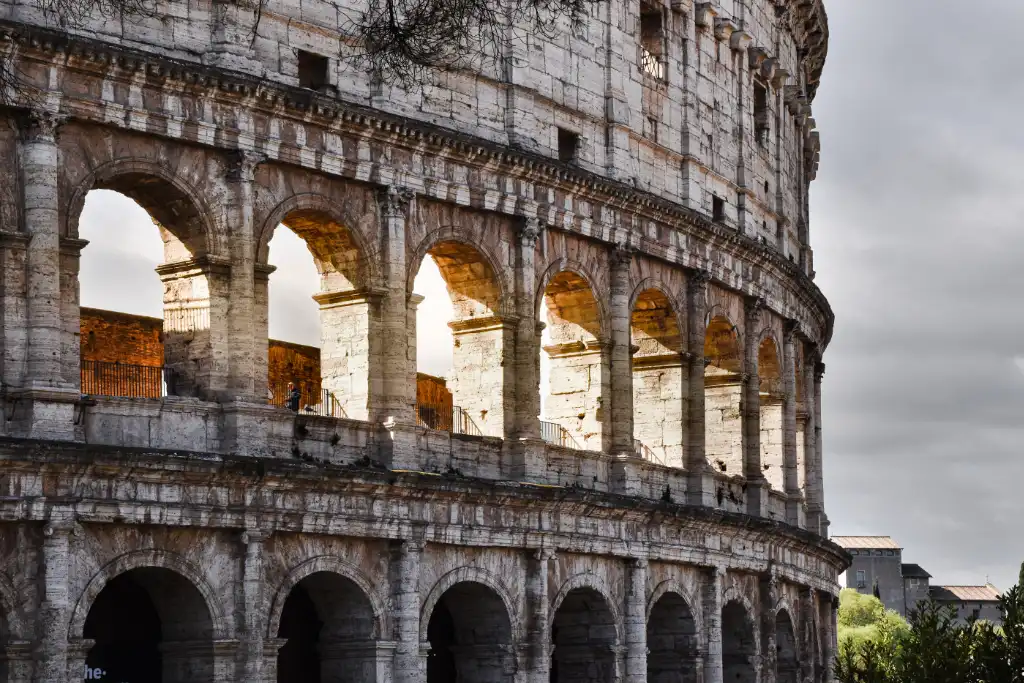
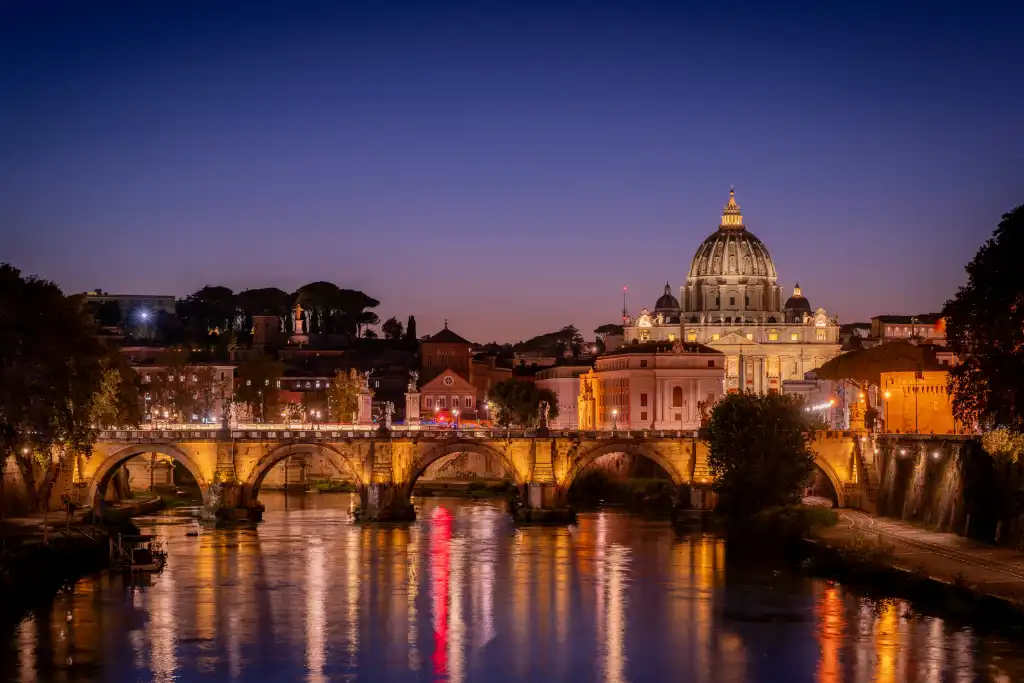
Rome
Let’s start with Rome, a city you simply cannot skip if you want to discover Italian culture, Roman history, and the Vatican. Arriving is straightforward. After landing at Fiumicino Airport, your options into central Rome include express trains, buses, taxis, private transfers, rental cars, and hotel shuttles. My preference has always been the Leonardo Express train service to Roma Termini, the central railway station in the heart of the city.
I’ve caught cabs before, but mostly to outlying areas of Rome. I don’t recommend this for first-timers, as some drivers may take advantage of you if you don’t speak the language. If you are staying within the historic centre in an area not easily accessible by rail or bus, a taxi is your best bet. Fares from the airport to the city centre are fixed. You can also check with your hotel to see if they offer a chauffeured pick-up service—just weigh up the price against the convenience. Of course, rideshare apps like Uber are also available to book online, saving you time and stress.
In recent years, my go-to accommodation in Rome has been the Meininger Hotel Roma Termini. It is in a great location in Castro Pretorio—a flatter part of Rome about a ten-minute walk from the central station. However, it might not be ideal if you prefer to be right next to the major ancient sites or want to minimise walking. No matter where you stay in central Rome, you will likely need a taxi from the station or airport if you have heavy bags, as the cobblestone footpaths aren’t the smoothest to wheel suitcases across.
A word of warning: there are some neighbourhoods immediately surrounding Roma Termini station that are best avoided. While the accommodation there might be cheaper, these areas abound with noise, unsavoury characters, and litter. It is best to head out the front of the station, across the large square called Piazza dei Cinquecento, and find a place a few blocks away. The piazza is also where you will find the main taxi ranks, buses, and trams.
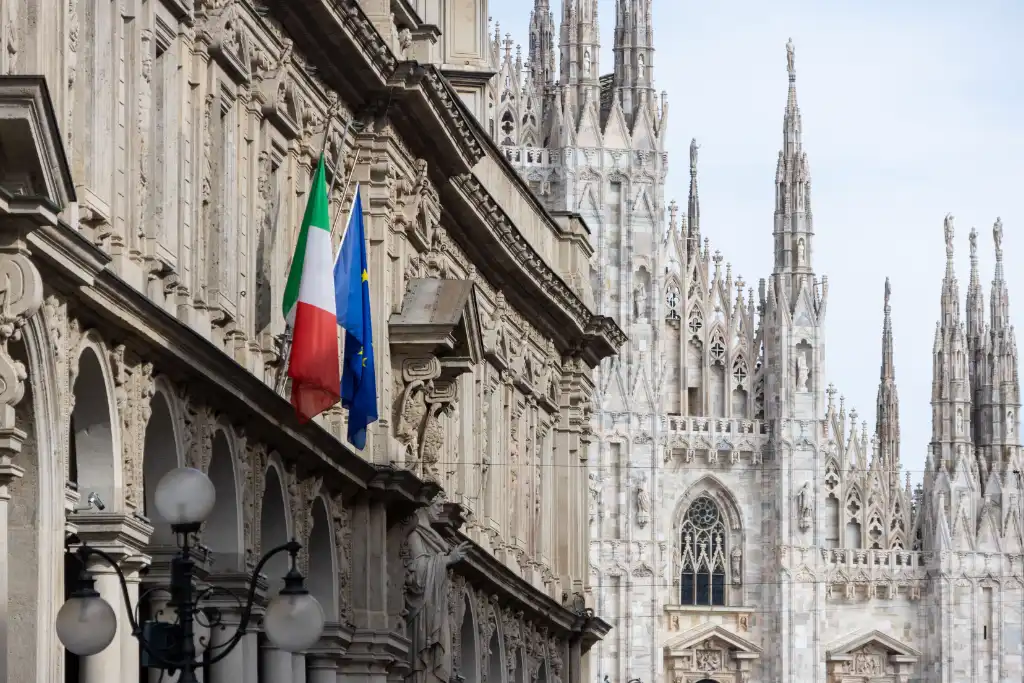
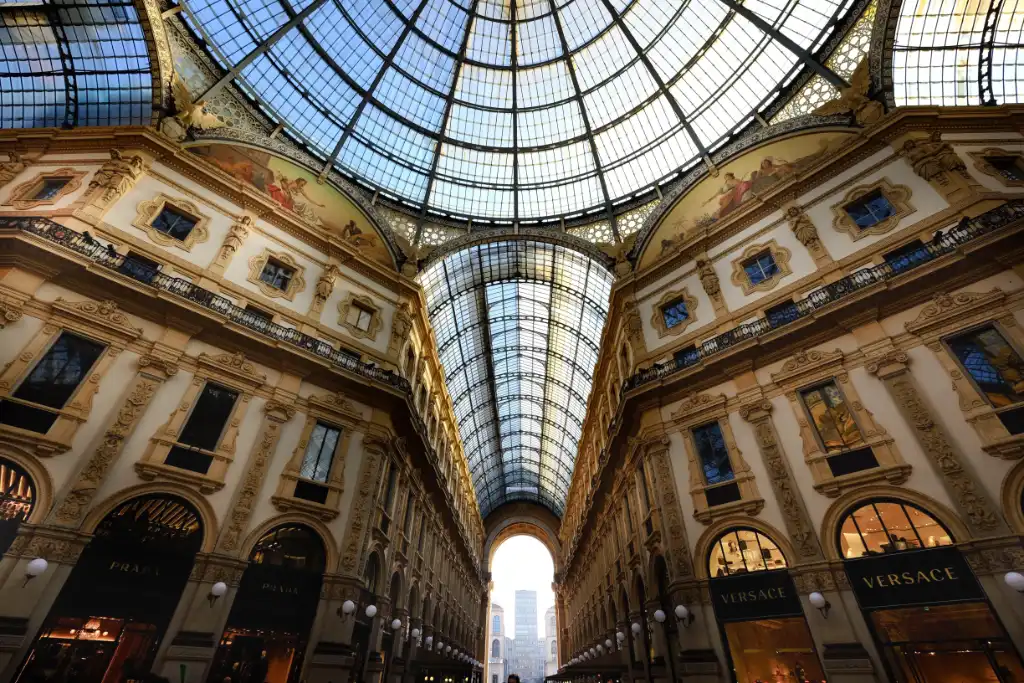
Milan
Much like Rome, central Milan is easy to reach by train and other transport links from Malpensa (Milan’s largest airport), Linate, or Bergamo.
As the fashion and financial capital of Italy, Milan has a completely different vibe to Rome. While Rome is deeply tied to its ancient past, Milan is modern, stylish, and looks toward its northern European neighbours.
When flying into Malpensa, the easiest way into the city is the Malpensa Express. Similar to Rome’s express train, it will take you directly to either Milano Centrale or Milano Porta Garibaldi. Both stations are located in the city centre, surrounded by hotels, and fully connected to the Metro network.
I have stayed at two different hotels near Milano Centrale. The area around the station in Piazza Duca d’Aosta is generally quieter than its counterpart in Rome, though you might still encounter a few unsavoury or rowdy characters at night. They are easy enough to avoid. The hotels here offer seamless access to the trains and the Metro, and the city centre and the Duomo are completely walkable from this area. Milan also boasts a significantly better underground metro system than Rome, making it incredibly easy to navigate. From Milan, getting to Como (as the travel writer suggested) is a breeze. It all comes down to logistics and managing your time; you could easily stay in Milan for a few days to acclimatise and see the sights before moving on to Como to relax. You can do the exact same thing in Rome by pairing a stay in the city with a trip to Tivoli or Frascati—charming hillside towns just outside the capital that are easily reachable by train.
The Seasons
The shoulder seasons consist of the months between the European summer and winter peaks: March, April, and May in the spring, and September, October, and November in the autumn. This is traditionally the best time to score well-priced airfares and hotel deals.
However, don’t expect the major tourist sites to be completely empty. Travel habits have shifted, and I’ve found that even in November (late autumn) and January (winter), the crowds remain relatively large. Still, it beats summer—I would shudder to visit in the mid-summer heat of June or July.
Rail Travel
Regional train prices are fixed year-round and do not change based on the season. Fast trains, however, are a different story. If possible, you should purchase tickets for high-speed trains run by Trenitalia (Frecciarossa) and Italo as far in advance as possible—ideally 90 to 120 days before travel.
While regional train tickets can be bought just minutes before departure, remember that physical paper tickets must be validated at the green-and-white machines on the station platforms before boarding. Other tickets bought at a counter might already have a specific date, time, and train number printed on them; these do not require validation, but it is always wise to double-check. Tickets can also be purchased easily from station vending machines. If you buy them digitally via an official app on your phone, no validation or check-in is required—simply have the QR code ready on your screen for the conductor to scan.
Shopping and Dining
Shops across Italy are mainly closed during the August summer holidays, usually for about two weeks. This is a time best avoided, as most locals head straight for the beaches or mountains to escape the heat, leaving cities quiet and many businesses shut. Additionally, some restaurants close for a few weeks during the low winter season for a winter break. Throughout the rest of the year, shops routinely close in the afternoon for several hours—typically from 13:00 to 16:00—before reopening until 19:00 or 20:00. Banks and offices follow a similar pattern but usually reopen for only a couple of hours in the afternoon, generally between 14:00 and 16:00. To avoid being caught out, it is always best to check the local hours of the specific area where you are staying. Additionally, keep an eye out for public holidays, as almost all shops and businesses will be closed.
Cheers
Note: This article was originally published on 3 April 2024 and has since been edited. The question the reader posed then and my commentary is still valid today.